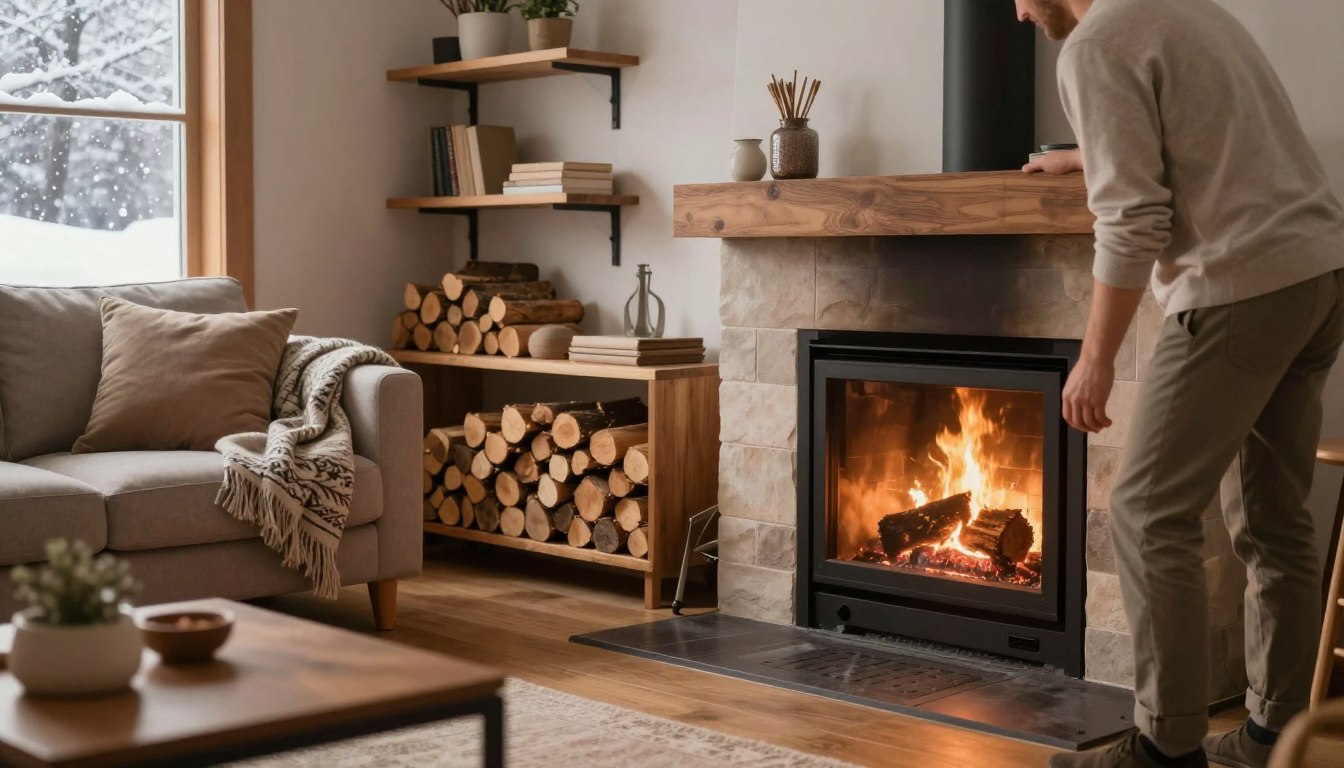
Did you know a burst pipe can cause over $5,000 in water damage in just hours? Freezing temperatures bring big risks to your property. Taking action now can save you from costly repairs later.
This guide has 10 smart tasks to keep your family safe and cozy. We’ll cover key maintenance like sealing drafts and insulating pipes. Learning winter home preparation helps keep your home warm when the first snow hits.
Doing these simple steps before the frost arrives is key to protecting your home. Let’s start making your space safe and cozy for the season.
Key Takeaways
- Inspect exterior walls and foundations for cracks that let in cold air.
- Drain outdoor faucets and insulate pipes to prevent costly freezing damage.
- Schedule a professional tune-up for your furnace to ensure efficient heating.
- Seal gaps around windows and doors using weatherstripping or caulk.
- Test smoke and carbon monoxide detectors as you spend more time indoors.
- Stock up on emergency supplies like flashlights, batteries, and non-perishable food.
How to Prepare Your Home for Winter: Start With the Exterior
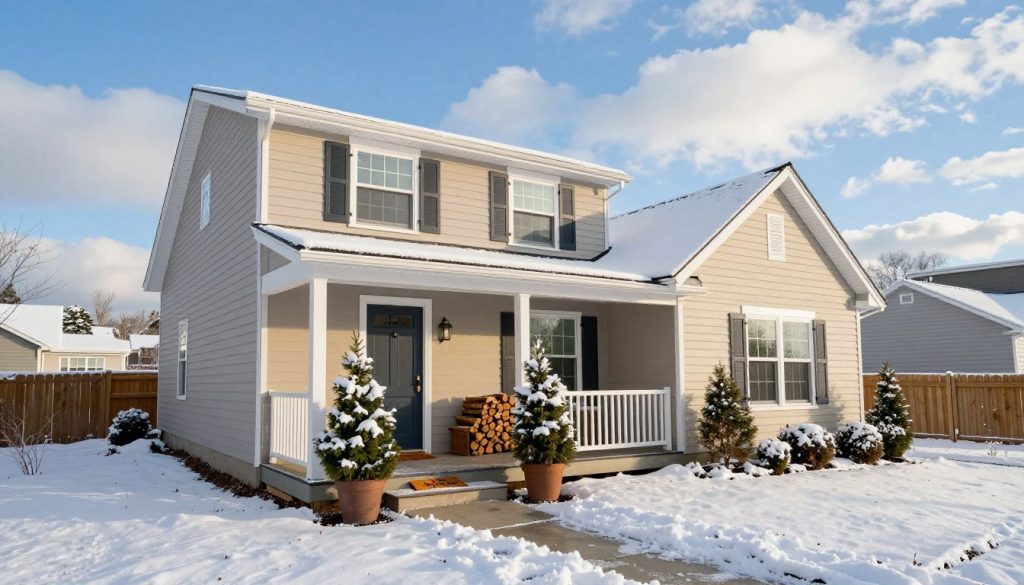
When it gets colder, your home’s outside is the first defense against the cold. Winterizing your home now can save you from expensive fixes and cold drafts later. Fixing these areas early keeps moisture and cold air out.
Seal Drafts Around Windows and Doors
Windows and doors are big heat losers. Check for cracks in caulk or worn-out weatherstripping. Fresh sealant is a key winter-proofing tip to keep your home warm.
If you see light around your door, it’s time for a new door sweep. These simple fixes block cold air from your floors. A sealed home keeps the temperature steady, saving you money on heating.
Clean Gutters and Check the Roof
Clogged gutters can cause ice dams, damaging your roof and siding. Clear leaves and debris to prevent water damage. Also, check for missing or damaged shingles to stop water leaks.
Fixing these issues before snowfall prevents major damage. If you see loose flashing or damaged roofing, get a pro to fix it fast. A solid roof is key for a dry, safe winter.
Inspect the Chimney, Fireplace, and Exterior Vents
Before your first fire, make sure your chimney is clean and clear. Birds or small animals might have made nests in vents, which is dangerous. A clean chimney ensures smoke and carbon monoxide escape safely.
Also, check exterior vents like your dryer and furnace to ensure they’re clear. Good airflow is essential for your heating systems’ efficiency. Use the table below to keep track of your winter prep work.
| Task | Priority | Action Required |
|---|---|---|
| Window Sealing | High | Apply caulk or weatherstripping |
| Gutter Cleaning | High | Remove debris and flush downspouts |
| Roof Inspection | Medium | Replace loose or missing shingles |
| Vent Check | High | Clear blockages from all exterior vents |
Protect Your Plumbing and Heating Systems
When it gets cold, your plumbing and heating systems are your frontline defense. It’s important to focus on these parts to get your house ready for winter. This way, you can avoid the stress and high costs of emergency repairs when it gets really cold.
Insulate Exposed Pipes and Protect Outdoor Faucets
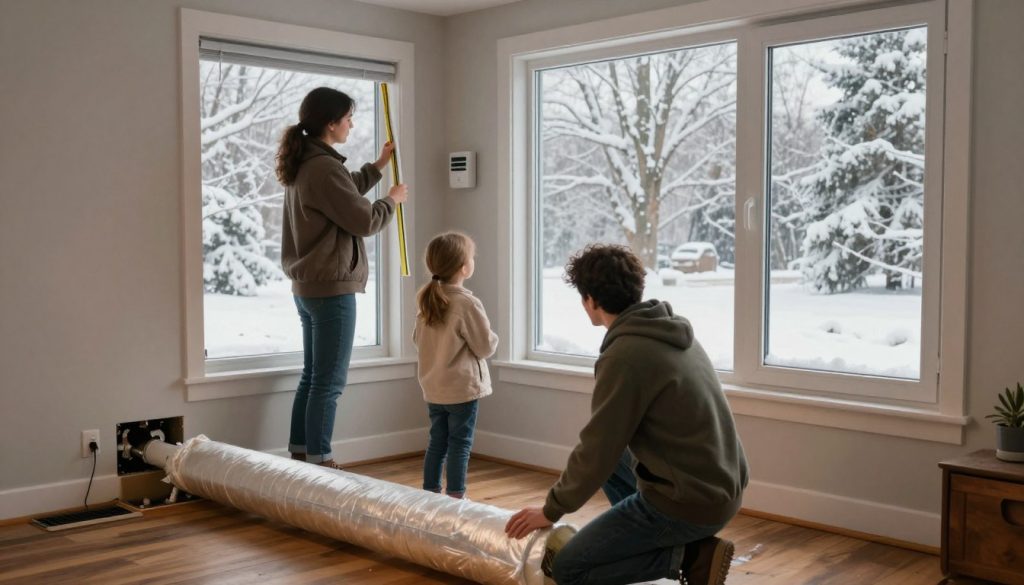
Frozen pipes are a common problem in the cold months. Wrap exposed pipes in unheated areas like basements or crawl spaces with foam insulation sleeves. Also, disconnect garden hoses and cover outdoor faucets with insulated covers to prevent damage.
Service Your Furnace and Replace the Air Filter
Your furnace works hard to keep your home warm. It needs a professional tune-up. A clean system runs better and lasts longer. Replace your air filter every one to three months to improve airflow and air quality.
Test Your Thermostat and Improve Warm-Air Circulation
Test your thermostat before it gets really cold. Make sure it works with your heating unit. Update your programmable thermostat settings to match your daily routine. Also, make sure furniture or curtains don’t block air registers for even heating.
Check the Water Heater and Main Shutoff Valve
Your water heater is also important. Look for leaks or corrosion around the tank. Find your main water shutoff valve and make sure it’s easy to access. Knowing how to turn off your water supply quickly is key.
Here’s a quick guide to help you stay organized:
- Insulate: Cover all exposed pipes in cold zones.
- Service: Schedule a professional furnace inspection.
- Filter: Swap out old air filters for new ones.
- Test: Verify your thermostat is working properly.
- Locate: Find your main water shutoff valve for emergencies.
Make Your Home Safer and More Comfortable for Cold Weather
Preparing for cold weather is more than just keeping warm. It’s about making your home a safe and reliable sanctuary when you’re indoors more. By focusing on both comfort and safety, you can create a cozy and secure space.
Test Smoke and Carbon Monoxide Detectors
Sealing your home against cold weather means keeping the air clean. Carbon monoxide is a silent danger that rises with constant heating. Make sure every smoke and carbon monoxide detector works right.
Change old batteries if it’s been six months. If your detectors are over ten years old, get new ones. This simple action is key to keeping your family safe during cold weather.
Prepare an Emergency Kit and Winter Supplies
Power outages or storms can strike without notice. A well-stocked emergency kit gives you peace of mind. Keep these items ready:
- Fresh batteries and reliable flashlights.
- Bottled water and non-perishable food items.
- Warm blankets and extra layers of clothing.
- A basic tool kit for minor repairs.
Reduce Indoor Moisture and Prevent Mold Growth
Keeping windows closed traps heat but raises humidity. This can cause mold in hidden spots. Use exhaust fans in kitchens and bathrooms to remove steam.
If your home stays damp, a dehumidifier can help. Keeping your home dry is as important as keeping it warm. This way, your home stays comfortable and healthy all winter.
Conclusion
Start taking steps now to keep your home safe when it gets cold. By following these winter home safety tips, you can protect your home from harsh weather.
First, check your home’s exterior, make sure your plumbing is secure, and keep your heating equipment in good shape. This helps avoid expensive repairs and keeps your family warm, even when it snows a lot or the power goes out.
Keep your checklist somewhere easy to find. Also, remember to check your smoke detectors, air filters, and emergency supplies often. This ensures they work well all winter.
By regularly checking on these safety tips, you’ll feel more at ease all winter. Share your own tips or ask questions about your home systems. This helps your neighbors get ready for the cold weather too.