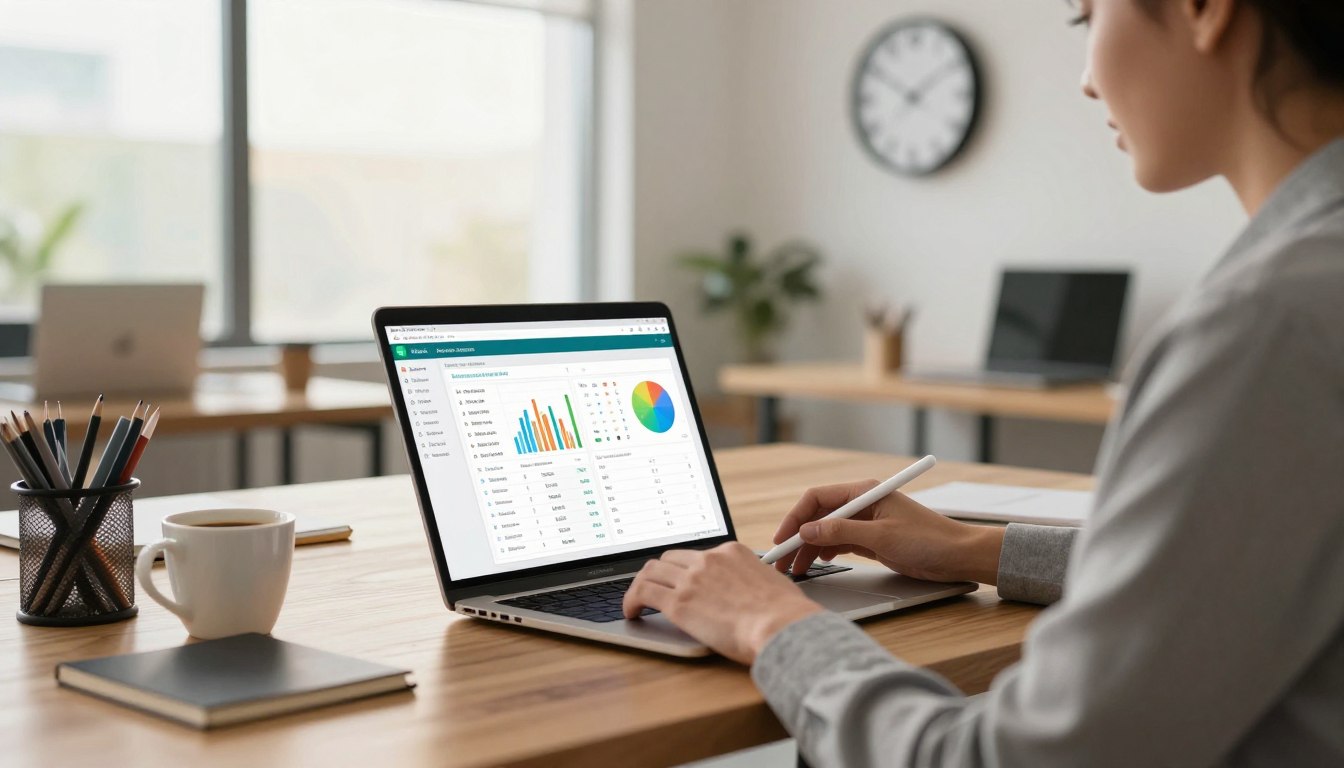
Are you tired of feeling overwhelmed by your daily tasks and struggling to stay on top of your schedule? You’re not alone. Many individuals face the challenge of managing their time effectively to boost productivity.
An intuitive time management system can be a game-changer, simplifying daily planning and improving efficiency. By leveraging productivity software, you can streamline your workflow, prioritize tasks, and achieve more in less time.
By adopting the right tools and strategies, you can transform your productivity and achieve your goals with ease.
Key Takeaways
- Simplify daily planning with an intuitive approach
- Improve efficiency using productivity software
- Streamline your workflow and prioritize tasks
- Achieve more in less time with effective time management
- Transform your productivity and achieve your goals
1. What Makes Our Intuitive Time Management System Different
Our intuitive time management system stands out due to its innovative approach to daily planning. It’s designed to make managing your time more efficient and less stressful. By incorporating a range of features and adapting to your work style, it provides a personalized experience that boosts productivity.
Core Features That Simplify Your Daily Planning
The system is equipped with a variety of tools to simplify your daily tasks. Some of the key features include:
- Task Prioritization: Easily prioritize tasks based on their urgency and importance.
- Smart Scheduling: The system suggests the best times for tasks based on your schedule and preferences.
- Automated Reminders: Receive timely reminders to ensure you never miss a deadline.
These features work together to streamline your daily planning, making it easier to manage your workload.
How Productivity Software Adapts to Your Work Style
One of the standout aspects of our time management system is its ability to adapt to your unique work style. Whether you’re a morning person or a night owl, the system adjusts to your productivity peaks. It learns your habits over time, providing a more personalized experience.
The adaptability of our system means that it can be used by individuals with varying work styles and preferences. This flexibility is key to enhancing productivity and reducing stress.
The Benefits of User-Friendly Time Management Tools
User-friendly time management tools are essential for maximizing productivity. Our system is designed to be intuitive, making it easy for users to navigate and utilize its features effectively. The benefits include:
- Increased Efficiency: By automating routine tasks, you can focus on more critical projects.
- Reduced Stress: With a clear overview of your tasks and deadlines, you can better manage your workload.
- Improved Work-Life Balance: By optimizing your work schedule, you can achieve a better balance between work and personal life.
By leveraging these benefits, users can experience a significant improvement in their overall productivity and well-being.
2. Setting Up Your Time Management System in Five Easy Steps
Getting started with our time management system is straightforward, with just five simple steps to get you organized. Our system is designed to be intuitive and adaptable to your work style, ensuring that you can maximize your productivity from the very beginning.

2.1. Step 1: Create Your Account and Personalize Your Dashboard
The first step is to create your account. Simply sign up with your email address, and you’ll be guided through a quick setup process. Once you’re logged in, personalize your dashboard by adding your name, profile picture, and preferred layout. This will make your workspace feel more tailored to your needs.
As you customize your dashboard, consider what features are most important to you. Do you want to see your upcoming tasks or focus on your daily schedule? Our system allows you to prioritize the information that matters most.
2.2. Step 2: Define Your Working Hours and Time Zones
To ensure that our system works in harmony with your schedule, define your working hours and time zone. This information will help our system send you notifications and reminders at the right times, keeping you on track without interrupting your personal time.
Accurate time zone settings are crucial, especially if you work with a team across different regions. By setting your time zone correctly, you’ll avoid confusion and ensure that everyone is on the same page.
2.3. Step 3: Enable Digital Calendar Integration with Google and Outlook
One of the powerful features of our time management system is its ability to integrate with popular digital calendars like Google Calendar and Outlook. By enabling this integration, you can seamlessly manage your appointments and tasks in one place.
“Integrating our time management system with my Google Calendar has been a game-changer. I can see all my tasks and appointments in one place, and it has significantly reduced my stress levels.”
2.4. Step 4: Configure Notification Settings for Maximum Efficiency
Notifications are a key part of staying on top of your tasks, but they can also be distracting if not managed properly. Our system allows you to configure notification settings to suit your preferences, ensuring that you receive alerts that are relevant and timely.
- Choose when and how you receive notifications
- Prioritize notifications based on task urgency
- Customize notification messages to include task details
2.5. Step 5: Import Existing Tasks and Projects
If you’re switching to our time management system from another tool, you can easily import your existing tasks and projects. This feature saves you time and ensures that you don’t lose any important information during the transition.
By following these five easy steps, you’ll have our time management system up and running in no time. With its intuitive interface and powerful features, you’ll be well on your way to boosting your productivity and achieving your goals.
3. How to Use the Time Tracking App for Efficient Task Management
Transform your productivity with our user-friendly time tracking app designed for efficient task management. This powerful tool is engineered to help you organize your tasks, track time spent on projects, and create dependencies between tasks, ensuring a streamlined workflow.

3.1. Adding and Organizing Your Tasks by Priority and Category
Efficient task management begins with organizing your tasks effectively. Our time tracking app allows you to add tasks easily and categorize them based on priority and type. You can create categories for different projects or clients, making it simpler to track time spent on each.
To add a task, simply navigate to the task list, click on “New Task,” and fill in the details. You can assign a priority level, set deadlines, and add descriptions as needed. Our app also supports tagging, which helps in filtering tasks based on specific criteria.
3.2. Starting and Stopping Time Tracking for Accurate Records
Accurate time tracking is crucial for understanding how much time is spent on tasks and projects. Our app makes it easy to start and stop timers for different tasks. You can start a timer directly from the task list or from within a specific task view.
When you start a timer, the app will log the time spent on the task in real-time. You can pause or stop the timer as needed, and the total time spent will be recorded. This feature is particularly useful for generating accurate reports and invoices.
“The right tool can make all the difference in managing your time effectively. Our time tracking app is designed to simplify your workflow and boost productivity.”
3.3. Creating Task Dependencies and Subtasks
Complex projects often involve multiple tasks that are interdependent. Our time tracking app allows you to create task dependencies, ensuring that tasks are completed in the correct order. You can also break down larger tasks into smaller subtasks, making it easier to manage complex projects.
To create a task dependency, simply link the tasks within the app. You can specify whether a task should start after another task is completed or if it should run concurrently. This feature helps in planning your projects more effectively.
3.4. Setting Up Recurring Tasks and Automated Workflows
Many tasks recur regularly, such as weekly meetings or monthly reports. Our app allows you to set up recurring tasks, saving you time and ensuring that repetitive tasks are not forgotten.
You can configure the recurrence pattern, such as daily, weekly, or monthly, and the app will automatically create new tasks based on your settings. Additionally, you can set up automated workflows for tasks that follow a specific sequence or have dependencies.
By leveraging these features, you can significantly enhance your productivity and ensure that your task management is both efficient and effective.
4. Strategies to Optimize Daily Workflow and Boost Productivity
To achieve peak productivity, it’s essential to implement strategies that streamline your daily workflow. By doing so, you can significantly reduce time wasted on non-essential tasks and maximize your output.
4.1. Implementing Time Blocking for Focused Work Sessions
Time blocking is a powerful technique that involves scheduling your tasks into fixed, uninterrupted blocks of time. This approach helps you stay focused on a single task, reducing the likelihood of multitasking and minimizing distractions.
By dedicating specific timeslots to tasks, you can work more efficiently and make the most of your work hours. For instance, allocating a two-hour block in the morning for critical tasks can significantly boost your productivity.
4.2. Using the Personalized Scheduling Solution for Your Peak Hours
A personalized scheduling solution allows you to tailor your work schedule according to your most productive hours. By identifying and utilizing your peak productivity periods, you can accomplish more in less time.
For example, if you’re more focused in the morning, schedule your most challenging tasks then. This strategic alignment of tasks with your energy levels can lead to substantial productivity gains.

4.3. Analyzing Productivity Reports to Eliminate Bottlenecks
Productivity reports provide valuable insights into your work patterns, helping you identify areas of inefficiency. By analyzing these reports, you can pinpoint bottlenecks and implement corrective measures.
For instance, if a report shows that you’re spending too much time on email management, you might consider implementing email filters or scheduling specific times to check your inbox.
4.4. Batch Processing Similar Tasks for Greater Efficiency
Batch processing involves grouping similar tasks together and completing them in one session. This technique can significantly enhance efficiency by reducing the time spent switching between different types of tasks.
| Task Type | Batch Processing Benefit | Example |
|---|---|---|
| Email Management | Reduced time spent on checking and responding | Respond to all emails at once |
| Data Entry | Increased speed due to repetitive task | Enter all data for the day in one session |
| Meetings | Minimized context switching | Schedule all meetings on the same day |
By implementing these strategies, you can significantly optimize your daily workflow and achieve a notable boost in productivity. It’s about working smarter, not harder, and leveraging the right techniques to make the most of your time.
5. Advanced Techniques to Prioritize Tasks Effectively
Effective task prioritization is the backbone of a productive workflow. By applying advanced techniques, you can ensure that you’re focusing on the most important tasks that drive results.
5.1. Applying the Priority Matrix to Your Task List
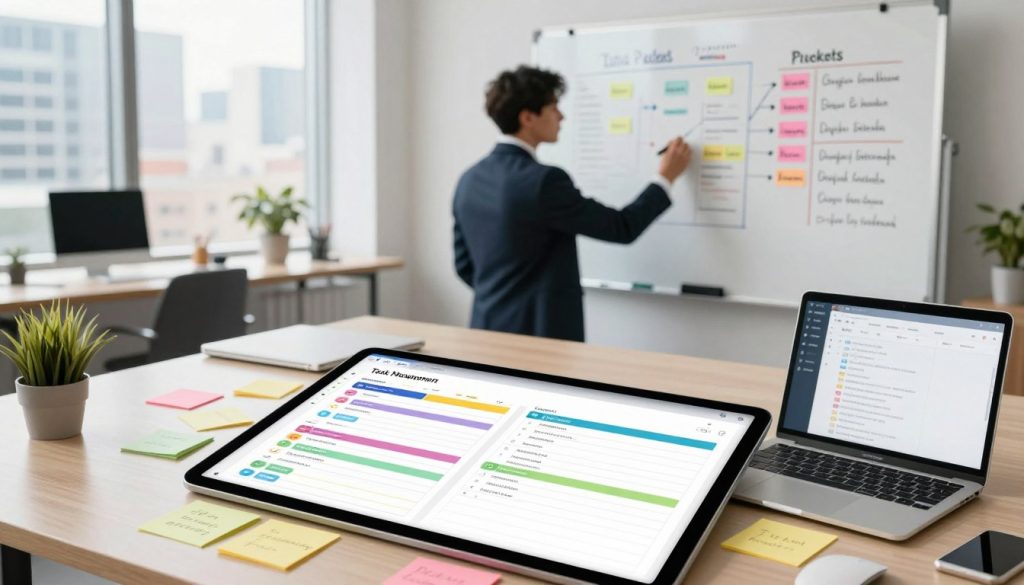
The Priority Matrix is a powerful tool for categorizing tasks based on their urgency and importance. By dividing tasks into four quadrants—urgent & important, important but not urgent, urgent but not important, and not urgent or important—you can quickly identify which tasks to tackle first.
To apply the Priority Matrix, start by listing all your tasks. Then, plot each task on the matrix according to its level of urgency and importance. This visual representation helps in making informed decisions about where to allocate your time and resources.
| Quadrant | Task Category | Action |
|---|---|---|
| 1 | Urgent & Important | Do Immediately |
| 2 | Important but Not Urgent | Schedule |
| 3 | Urgent but Not Important | Delegate |
| 4 | Not Urgent or Important | Eliminate |
5.2. Setting Daily Goals and Weekly Milestones
Setting clear daily goals and weekly milestones is crucial for maintaining focus and achieving long-term objectives. By breaking down larger projects into smaller, manageable tasks, you can create a roadmap for success.
Daily Goals: Identify the most critical tasks that need to be accomplished each day. Use the Priority Matrix to ensure you’re tackling the most important tasks first.
Weekly Milestones: At the start of each week, outline the key milestones you aim to achieve. This helps in maintaining a broader perspective and ensuring that daily tasks align with long-term goals.
5.3. Managing Context Switching and Protecting Deep Work Time
Context switching can significantly reduce productivity by fragmenting your focus. To manage this, it’s essential to protect your deep work time.
- Identify your most productive hours and reserve them for deep work.
- Minimize interruptions by setting your status to “Do Not Disturb” during deep work sessions.
- Batch similar tasks together to reduce the need for context switching.
By implementing these strategies, you can enhance your ability to focus and complete complex tasks efficiently.
6. Conclusion
By implementing an intuitive time management system, you can significantly boost your productivity and achieve a better work-life balance. The strategies discussed in this article, from setting up your time management system to prioritizing tasks effectively, are designed to help you make the most of your time.
With productivity software, you can streamline your workflow, eliminate bottlenecks, and stay focused on your goals. By applying the techniques outlined in this article, you can optimize your daily workflow, increase efficiency, and achieve greater success in your personal and professional life.
Take the first step towards maximizing your productivity by exploring the benefits of an intuitive time management system and productivity software. Start implementing these strategies today and discover a more streamlined, efficient, and productive you.