
Are you tired of feeling overwhelmed and stressed in today’s fast-paced world? Can you truly achieve a happier, calmer you amidst the chaos?
Embracing a softer approach to personal growth can be the key to unlocking a more balanced you. Our soft life transformation guide provides the necessary self-improvement tools to help you navigate this journey.
By adopting a softer approach, you can cultivate a more peaceful and fulfilling existence. This guide will walk you through the process, offering valuable personal growth resources to support you along the way.
Key Takeaways
- Discover the benefits of a softer approach to personal growth
- Learn how to cultivate a more balanced and peaceful existence
- Explore valuable self-improvement tools and resources
- Understand the importance of embracing a softer lifestyle
- Find guidance on navigating your transformation journey
Understanding the Soft Life Philosophy
As the pace of modern life continues to accelerate, the soft life philosophy provides a much-needed respite, encouraging individuals to slow down and appreciate the present moment. This philosophy is not just about relaxation; it’s a holistic approach to living that emphasizes mindfulness practices and holistic wellness tips to foster a deeper sense of well-being.
What Does Living a Soft Life Really Mean
Living a soft life means embracing a lifestyle that values peace, tranquility, and meaningful connections over the relentless pursuit of productivity. It’s about adopting positive mindset techniques to navigate life’s challenges with grace and resilience. This approach encourages individuals to be gentle with themselves, to listen to their needs, and to prioritize their well-being.
The Core Principles of Prioritizing Peace Over Productivity
Prioritizing peace over productivity involves a fundamental shift in how one views success and fulfillment. The core principles include:
- Focusing on what truly adds value and joy to one’s life
- Embracing simplicity and reducing unnecessary clutter and commitments
- Cultivating mindfulness and presence in daily activities
- Setting healthy boundaries to protect one’s time and energy
By implementing these principles, individuals can create a more balanced and fulfilling life.
| Traditional Approach | Soft Life Approach |
|---|---|
| Prioritizes productivity and busyness | Prioritizes peace and well-being |
| Often overlooks self-care | Emphasizes self-care and mindfulness |
| Can lead to burnout | Fosters resilience and balance |
How Soft Living Differs from Traditional Self-Care
While traditional self-care practices are often seen as occasional treats or rituals, soft living is a more comprehensive approach that integrates self-care into every aspect of life. It’s not just about spa days or meditation retreats, but about creating a lifestyle that is inherently nurturing and supportive.
Soft living encourages individuals to listen to their inner needs, to slow down, and to cultivate a deeper connection with themselves and the world around them. By doing so, it fosters a more sustainable and profound sense of well-being.
Assessing Your Current Lifestyle and Stress Points
To start your soft life transformation, it’s essential to take stock of your current lifestyle and stressors. This initial assessment will serve as the foundation for your journey towards a happier, calmer you.

Conducting Your Personal Stress Audit
A personal stress audit involves taking a close look at your daily life to identify sources of stress. Begin by tracking your activities and emotions over a week or two. Note down situations that trigger stress or discomfort. This could be a demanding job, a toxic relationship, or even a cluttered living space.
Using a journal or a mobile app can simplify this process. The goal is to become more aware of your stressors, not to change them immediately.
Identifying Energy Drains and Time Wasters
Once you’ve identified your stressors, the next step is to pinpoint energy drains and time wasters. These are activities or relationships that consume your energy without providing any significant benefits. Common examples include excessive social media use, attending non-essential meetings, or engaging in gossip.
Energy drains can be anything from a cluttered workspace to a draining friendship. By recognizing these, you can start making conscious decisions to minimize their impact on your life.
Setting Clear Intentions for Your Transformation
With a clear understanding of your stressors and energy drains, you can now set clear intentions for your transformation. This involves defining what a soft life means to you and setting specific, achievable goals. Your intentions could range from adopting a mindfulness practice to simplifying your living space.
It’s crucial to be specific and realistic when setting these intentions. For instance, instead of saying “I want to be less stressed,” say “I will practice deep breathing exercises for 10 minutes each morning.” This clarity will guide your actions and help you stay focused on your transformation journey.
Your Soft Life Transformation Guide: Step-by-Step Process
Embarking on a soft life transformation journey requires a thoughtful and multi-step approach. This guide will walk you through the essential steps to help you achieve a happier, calmer you.
Decluttering Your Physical Space for Mental Clarity
The first step in your soft life transformation is to declutter your physical environment. Clutter can significantly impact your mental clarity and overall well-being. Begin by:
- Sorting through your belongings and identifying items that no longer serve you.
- Donating or recycling items that are still in good condition.
- Creating a peaceful and organized living space that promotes relaxation.
Decluttering is not just about getting rid of stuff; it’s about creating a space that feels calm and inviting. As you declutter, you’ll likely find that your mental clarity improves, making it easier to focus on what’s truly important.

Establishing Firm Boundaries in Work and Relationships
Setting boundaries is crucial for maintaining a healthy work-life balance and nurturing positive relationships. To establish firm boundaries:
- Identify areas where you feel drained or taken advantage of.
- Communicate your needs clearly and assertively to others.
- Learn to say “no” without feeling guilty.
By setting boundaries, you’re not being selfish; you’re being intentional about how you spend your time and energy. This step is vital for your overall well-being and is a key component of the soft life transformation guide.
Designing Daily Rituals That Bring You Joy
Daily rituals can significantly enhance your quality of life by providing moments of joy and relaxation. Consider:
- Starting your day with a mindfulness practice, such as meditation or deep breathing.
- Incorporating activities that bring you joy, such as reading, drawing, or taking a walk.
- Creating a bedtime routine that promotes restful sleep.
These rituals can help you stay grounded and focused on what truly matters, contributing to a more peaceful and fulfilling life.
Simplifying Your Schedule and Learning to Say No
Simplifying your schedule is about prioritizing what’s truly important and letting go of commitments that drain your energy. To simplify your schedule:
- Review your current commitments and obligations.
- Identify tasks and activities that are not aligned with your priorities.
- Learn to say “no” to requests that do not serve you.
By simplifying your schedule, you’ll find more time for the things that bring you joy and fulfillment, making your soft life transformation more sustainable.
Implementing Mindfulness Practices for Daily Peace
Mindfulness practices offer a powerful tool for cultivating inner peace and resilience in the face of life’s challenges. By incorporating mindfulness into our daily routines, we can significantly enhance our overall well-being and reduce stress.
Creating a Morning Mindfulness Routine That Sticks
Starting the day with mindfulness can set a positive tone for the hours ahead. A simple morning routine might include a few minutes of meditation, some gentle stretches, or a short walk while focusing on the breath.
To make this routine stick, it’s essential to start small and be consistent. Begin with a manageable commitment, such as 5-10 minutes a day, and gradually increase the duration as the practice becomes more ingrained.
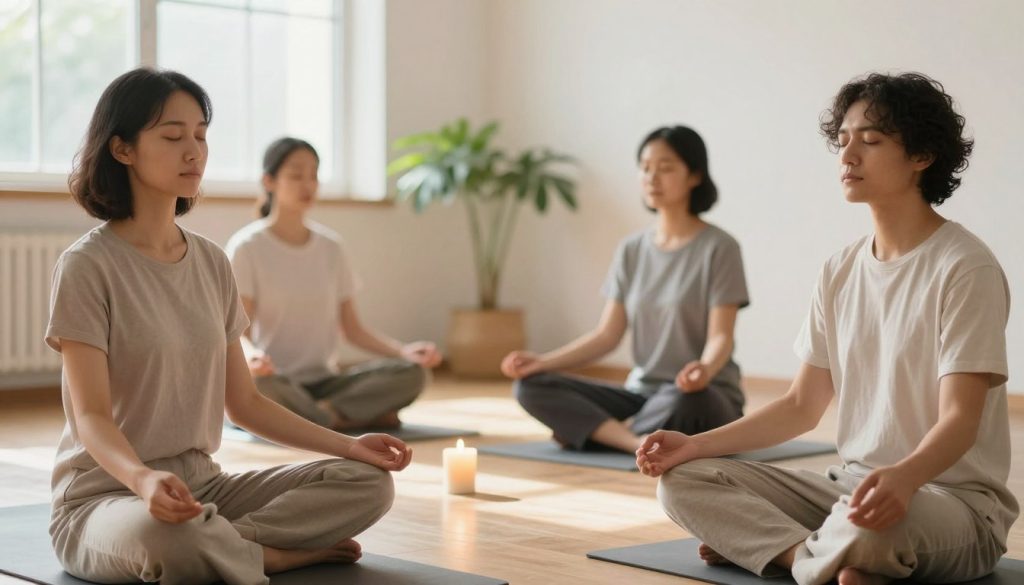
Using Breathwork to Manage Stress Throughout the Day
Breathwork is a potent mindfulness practice that can be used anywhere, anytime, to manage stress and regain calm. Techniques such as diaphragmatic breathing or the 4-7-8 method can be particularly effective.
By incorporating breathwork into daily activities, such as during commutes or before meetings, individuals can better navigate stressful situations with greater ease and composure.
Building an Evening Wind-Down Practice for Better Sleep
An evening wind-down practice can signal to the body that it’s time to sleep, improving the quality of rest. This might involve activities like reading, gentle yoga, or a warm bath, all done with a mindful attitude.
Consistency is key; establishing a calming pre-sleep routine can help regulate the body’s internal clock and enhance the overall quality of sleep.
| Mindfulness Practice | Benefits | Tips for Implementation |
|---|---|---|
| Morning Meditation | Sets a positive tone for the day, enhances mental clarity | Start with 5 minutes, focus on breath |
| Breathwork | Reduces stress, improves emotional regulation | Practice during daily activities, use techniques like 4-7-8 breathing |
| Evening Wind-Down | Improves sleep quality, relaxes the body | Engage in calming activities like reading or gentle yoga before bed |
By integrating these mindfulness practices into daily life, individuals can cultivate a greater sense of peace and resilience. Whether through morning routines, breathwork, or evening wind-down practices, the path to a more mindful and calm existence is accessible to everyone.
Building Holistic Wellness into Your Soft Life
Holistic wellness is the cornerstone of a soft life, offering a comprehensive approach to achieving mental, physical, and emotional balance. By integrating holistic wellness practices into your daily routine, you can enhance your overall quality of life and deepen your commitment to the soft life philosophy.
Choosing Gentle Movement Over Intense Exercise
Gentle movement, such as yoga, tai chi, or walking, is an essential component of holistic wellness. Unlike intense exercise, gentle movement promotes relaxation, flexibility, and balance without causing undue stress on the body.
Some benefits of gentle movement include:
- Reduced muscle tension
- Improved flexibility
- Enhanced balance and coordination
- Increased sense of calm and well-being
As noted by wellness expert, Dr. Andrew Weil, “Gentle exercise can be just as effective as more vigorous exercise in improving cardiovascular health and reducing the risk of chronic diseases.”
“The greatest wealth is health.” – Virgil
Optimizing Your Sleep Environment for Deep Rest
Creating a sleep-conducive environment is crucial for achieving deep rest and rejuvenation. This involves optimizing factors such as lighting, temperature, and noise levels to promote relaxation.
| Sleep Environment Factor | Optimal Condition |
|---|---|
| Lighting | Dark or dim red lighting |
| Temperature | Cool, between 60-67°F (15-19°C) |
| Noise Levels | Quiet or white noise |
Eating for Energy and Mental Clarity
A well-balanced diet rich in whole foods is essential for maintaining energy levels and supporting mental clarity. Focus on consuming a variety of fruits, vegetables, whole grains, lean proteins, and healthy fats.
Nutritional Tips:
- Stay hydrated by drinking plenty of water throughout the day.
- Incorporate omega-3 rich foods, such as salmon and walnuts, to support brain health.
- Avoid processed and high-sugar foods that can lead to energy crashes.

By incorporating these holistic wellness practices into your daily life, you can cultivate a deeper sense of balance, harmony, and overall well-being, which is at the heart of the soft life transformation.
Maintaining Your Soft Life Transformation Long-Term
Sustaining your soft life transformation requires effort, commitment, and the right strategies. As you continue on this journey, you’ll face challenges that test your resolve, but with the right mindset and support, you can maintain your progress.
Handling Pushback from Others
One of the significant challenges you’ll face is handling pushback from others about your lifestyle changes. Friends, family, or colleagues might not understand your new approach to life, leading to criticism or skepticism. It’s essential to develop a thick skin and not let others dictate your path.
Communicate your intentions clearly and be prepared to explain why you’re making these changes. You can say, “I’m focusing on my well-being and finding that this new approach works better for me.”
It’s also helpful to set boundaries and be clear about what you’re comfortable discussing. You don’t owe anyone an explanation for your choices, but being open can sometimes help others understand your perspective.
Adapting Your Soft Life Practices as Seasons Change
As the seasons change, your soft life practices may need to adapt. What works for you in the summer might not be as effective in the winter. Be open to adjusting your routines and rituals to suit the current season.
- Consider how the changing weather affects your mood and energy levels.
- Adjust your mindfulness practices to incorporate seasonal activities, such as winter meditation or summer yoga outdoors.
- Be flexible with your schedule, allowing for more relaxation during colder months or more outdoor activities during warmer months.
Finding Your Community of Like-Minded People
Surrounding yourself with like-minded individuals can significantly enhance your soft life journey. Seek out communities, either online or in-person, that share your values and are also on a path of personal growth.
Joining a transformational coaching program or participating in personal growth resources can provide you with the support and guidance you need. These communities can offer valuable insights, advice, and encouragement as you continue on your soft life transformation guide.
By being proactive and adapting to challenges, you can maintain your soft life transformation and continue to grow and thrive.
Conclusion
As you conclude this soft life transformation guide, remember that the journey to a happier, calmer you is ongoing. By incorporating self-improvement tools and positive mindset techniques, you’re taking the first steps towards a more balanced life.
The strategies outlined in this guide, from decluttering your physical space to establishing firm boundaries, are designed to help you simplify your life and reduce stress. By adopting these lifestyle change strategies, you’ll be better equipped to handle life’s challenges with ease and confidence.
As you continue on your path, remember that maintaining a soft life is about making progress, not achieving perfection. Be gentle with yourself, and don’t be afraid to seek out like-minded communities for support.
By embracing this softer approach, you’ll be well on your way to creating a more peaceful, joyful life that reflects your true values and aspirations.