
Are you tired of following a one-size-fits-all approach to health that doesn’t seem to work for you? What if you could tune into your body’s unique needs and develop a personalized plan for achieving wellness? This is where intuitive wellness planning comes in, focusing on the mind-body connection to foster a more balanced life.
By listening to your body and honoring its signals, you can create a tailored approach to better health. This method encourages a deeper understanding of your physical and emotional needs, leading to more effective and sustainable wellness practices.
Key Takeaways
- Understanding the concept of intuitive wellness planning.
- The importance of the mind-body connection in achieving better health.
- How to develop a personalized wellness plan.
- Benefits of tuning into your body’s unique needs.
- Achieving a more balanced life through intuitive wellness planning.
Understanding the Power of Intuitive Wellness
Understanding intuitive wellness is key to unlocking a more balanced you. Intuitive wellness planning is not just about following generic health advice; it’s about tuning into your body’s unique signals and creating a personalized path to well-being. This approach recognizes that each individual’s journey to health is distinct and influenced by a complex interplay of factors including physical, emotional, and mental aspects.
What Makes Wellness Planning Intuitive
Intuitive wellness planning is characterized by its focus on internal cues and personal insights rather than external directives. It’s about listening to your body and understanding its needs, rather than adhering to a one-size-fits-all plan. This personalized approach allows for a more effective and sustainable path to health.
By paying attention to your intuition and bodily sensations, you can identify what nourishes your body, mind, and spirit. This might involve recognizing patterns, honoring your emotions, and making choices that align with your inner wisdom.
The Mind-Body Connection in Your Health Journey
The mind-body connection is a crucial element of intuitive wellness. It acknowledges that your thoughts, feelings, and physical sensations are interconnected. By fostering this connection, you can better understand how your mental state impacts your physical health and vice versa.
For instance, stress can manifest physically, while physical discomfort can affect your mental well-being. Recognizing these links enables you to address health issues more holistically.
| Mind-Body Connection | Impact on Health | Intuitive Response |
|---|---|---|
| Stress | Physical tension, anxiety | Practice relaxation techniques, such as deep breathing or meditation |
| Physical discomfort | Mental distress, irritability | Engage in physical activity, seek professional help if needed |
| Emotional turmoil | Somatic symptoms, digestive issues | Journaling, therapy, or counseling to process emotions |
Benefits of a Personalized Wellness Approach
Adopting a personalized wellness approach can lead to numerous benefits, including more effective health outcomes, increased self-awareness, and a greater sense of control over your well-being. By tailoring your wellness plan to your unique needs and preferences, you’re more likely to stick with it and achieve lasting results.
Moreover, this approach encourages a more compassionate and loving relationship with yourself, as you learn to listen to and honor your body’s signals.
How to Create Your Intuitive Wellness Planning Blueprint
Intuitive wellness planning is about creating a customized blueprint that aligns with your body’s signals and your overall well-being goals. This process involves understanding your unique needs and crafting a personalized plan that fosters a deeper connection between your mind and body.
Step 1: Tune Into Your Body’s Unique Signals
Tuning into your body’s signals is the foundation of intuitive wellness planning. It requires paying attention to your energy patterns, physical sensations, and emotional responses.
Recognize Your Energy Patterns Throughout the Day
Noticing how your energy levels fluctuate can help you identify the best times for activities such as exercise, work, and rest. For instance, if you’re more energetic in the morning, scheduling your most demanding tasks then can be beneficial.
Identify Physical and Emotional Triggers
Understanding what triggers stress or relaxation in your body can help you manage your well-being more effectively. Common triggers include dietary choices, environmental factors, and social interactions.
| Trigger Type | Examples | Potential Impact |
|---|---|---|
| Dietary | Caffeine, sugar, gluten | Energy boost, digestive issues, mood swings |
| Environmental | Noise, light, temperature | Stress, discomfort, relaxation |
| Social | Family gatherings, work meetings, social media | Emotional responses, stress, feelings of connection |
Step 2: Define Your Personal Health Vision
Defining your personal health vision involves setting meaningful goals that resonate with your overall well-being aspirations. This step is crucial for creating a focused wellness plan.
Set Meaningful Wellness Goals That Resonate
Your wellness goals should reflect your personal values and priorities. For example, if mental clarity is important to you, your goals might include practices that enhance cognitive function, such as meditation or brain-training exercises.
Prioritize Areas That Need Attention
Identifying areas that require more attention can help you allocate your time and resources more effectively. This might involve assessing your current diet, exercise routine, sleep patterns, and stress management techniques.
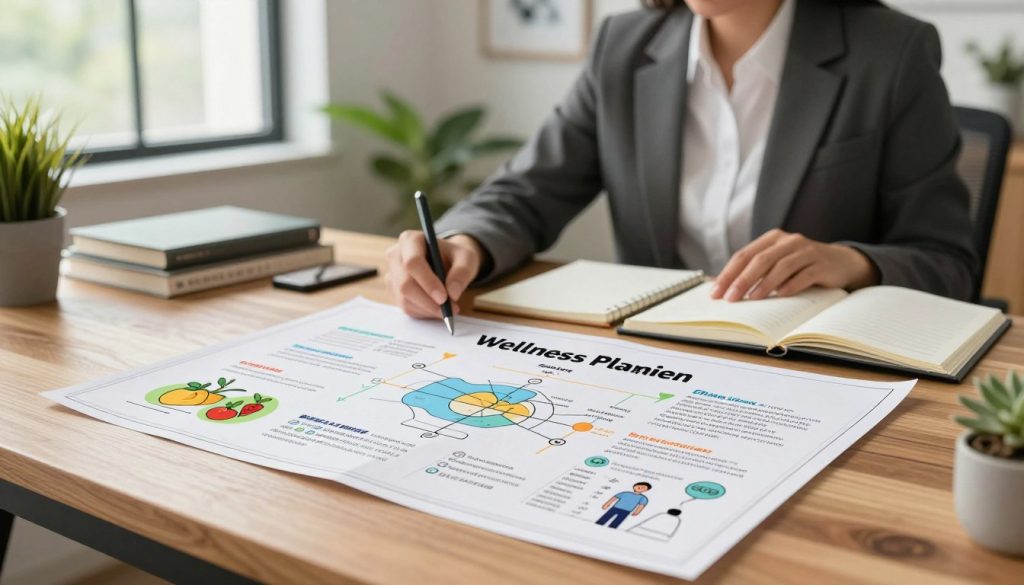
Step 3: Design Your Customized Wellness Strategy
With a clear understanding of your body’s signals and your health vision, you can now design a customized wellness strategy that matches your natural rhythms and priorities.
Match Activities to Your Natural Rhythms
Aligning your activities with your natural energy patterns can enhance your productivity and overall well-being. For instance, if you’re more alert in the mornings, use this time for critical tasks or exercise.
Build Flexibility Into Your Plan
A flexible wellness plan allows for adjustments based on your changing needs and circumstances. This adaptability is key to maintaining a sustainable and effective wellness strategy.
By following these steps, you can create a comprehensive and intuitive wellness planning blueprint that supports your journey to better health.
Bringing Your Wellness Plan to Life
Bringing your wellness plan to life requires more than just intention; it demands a thoughtful and consistent approach. As you embark on this journey, it’s essential to craft routines and practices that not only nourish your body but also resonate with your intuitive self.

Craft Self-Care Routines That Feel Natural
Self-care is the foundation of any successful wellness plan. By incorporating routines that feel natural and enjoyable, you can create a sustainable path to better health.
Morning Practices to Start Your Day Right
Starting your day with a mindful morning routine can set a positive tone for the hours ahead. Consider beginning with gentle stretches or a short meditation session to awaken your senses.
- Practice deep breathing exercises to calm your mind.
- Enjoy a nutritious breakfast that fuels your body.
- Take a moment to reflect on your goals and intentions for the day.
Evening Rituals for Deep Restoration
As the day comes to a close, an evening ritual can help signal to your body that it’s time to rest. Engage in activities that promote relaxation, such as reading a book or taking a warm bath.
- Dim the lights to create a calming atmosphere.
- Practice gentle stretches or yoga to release tension.
- Reflect on your day, acknowledging accomplishments and lessons learned.
Integrate Emotional Well-Being Techniques Daily
Emotional well-being is a critical component of overall wellness. By integrating techniques that support emotional health, you can enhance your resilience and improve your quality of life.
Consider incorporating journaling or mindfulness practices into your daily routine. These activities can help you process your emotions and gain a deeper understanding of yourself.
Adjust Your Approach Using Intuitive Feedback
Your wellness journey is unique, and it’s essential to remain open to adjusting your approach as needed. By tuning into your intuitive feedback, you can make informed decisions that support your overall well-being.
Pay attention to how your body responds to different practices and routines. If something doesn’t feel right, don’t hesitate to make changes that better align with your needs.
By embracing this intuitive approach, you can cultivate a deeper connection with your body and create a wellness plan that truly supports your intuitive living practices and utilizes effective wellness planning tools.
Tools and Practices for Intuitive Living
Intuitive living is about creating a harmonious balance between your body, mind, and spirit through the use of supportive tools and practices. By integrating various tools and practices into your life, you can enhance your intuitive living experience and move closer to achieving holistic health strategies.

Use Wellness Planning Tools That Support Your Journey
Wellness planning tools are essential for creating a personalized approach to your health. These tools can range from mobile apps that track your physical activity and nutrition to planners that help you schedule self-care routines. By utilizing these tools, you can gain a clearer understanding of your health journey and make informed decisions.
- Mindfulness and meditation apps
- Health and fitness trackers
- Personalized wellness planning journals
Practice Mindful Awareness and Meditation
Mindful awareness and meditation are powerful practices that help you tune into your body’s signals and cultivate a deeper sense of inner peace. Regular meditation can reduce stress, improve mental clarity, and enhance your overall well-being.
Mindfulness practices can be incorporated into daily activities such as eating, walking, or even during conversations, helping you stay present and focused.
Journal to Deepen Your Holistic Health Strategies
Journaling is a reflective practice that allows you to explore your thoughts, feelings, and experiences. By regularly journaling, you can identify patterns, gain insights into your behaviors, and develop more effective holistic health strategies.
- Set aside a dedicated time for journaling
- Use prompts or free-write to explore your thoughts and feelings
- Reflect on your entries to identify patterns and insights
Track Progress While Honoring Your Intuition
Tracking your progress is crucial for understanding how far you’ve come and identifying areas for improvement. However, it’s equally important to honor your intuition and not be too rigid with your tracking. Allow yourself the flexibility to adjust your approach as needed.
By combining these tools and practices, you can create a robust framework for intuitive living that supports your overall well-being and fosters a deeper connection with your inner self.
Conclusion
By adopting a personalized wellness approach, you can unlock a more balanced and fulfilling life. This intuitive wellness planning journey empowers you to tune into your body’s unique signals, define your personal health vision, and design a customized wellness strategy that suits your needs.
As you move forward, remember that your wellness plan is a dynamic process. It evolves as you grow and learn more about your body and mind. Stay attuned to your intuition, and don’t be afraid to make adjustments along the way.
With the right tools and practices, you can cultivate a deeper understanding of your overall well-being. By integrating emotional well-being techniques, practicing mindful awareness, and tracking your progress, you’ll be well on your way to achieving optimal health.
Start your intuitive wellness journey today, and discover the transformative power of a personalized wellness approach. By doing so, you’ll be taking the first step towards a healthier, happier you.