
Are you tired of feeling out of sync with the world around you? Do you struggle to find balance in your daily life? Aligning with natural rhythms can be the key to unlocking a more harmonious and healthy you.
Holistic wellness is not just about physical health; it’s also about being in tune with nature’s cycles. By understanding and working with these cycles, you can improve your overall well-being and feel more connected to the world around you.
This article will explore the benefits of living in harmony with natural rhythms and provide practical tips on how to achieve a more balanced and fulfilling life.
Key Takeaways
- Understand the concept of natural rhythms and their impact on well-being.
- Discover how aligning with nature’s cycles can improve holistic wellness.
- Learn practical strategies for incorporating natural rhythms into daily life.
- Explore the connection between nature and overall health.
- Find out how to start living in greater harmony with the natural world.
1. Understanding Your Body’s Natural Rhythms
Your body operates on a complex system of natural rhythms that influence everything from sleep patterns to energy levels. These internal rhythms are regulated by an intricate clockwork that responds to both internal and external cues.
The Basics of Circadian Rhythms
The most well-known natural rhythm is the circadian rhythm, a roughly 24-hour cycle that affects various physiological processes. This internal clock is primarily influenced by exposure to light and darkness, which in turn affects the production of melatonin, the sleep hormone.
Understanding your circadian rhythm is crucial for optimizing your sleep-wake cycle, meal times, and periods of activity. When you’re in sync with this natural rhythm, you’re more likely to experience improved sleep quality, enhanced cognitive function, and better overall health.
Nature’s Rhythms Beyond the Daily Cycle
While circadian rhythms are significant, they’re not the only natural cycles that impact our lives. Nature’s rhythms extend beyond the daily cycle to include seasonal, lunar, and even yearly patterns. For instance, the changing seasons can influence our energy levels, mood, and behaviors.
The lunar cycle, with its approximately 29.5-day cycle, has been observed to affect tidal patterns, and some research suggests it may also influence human behavior and physiological processes.
Signs You’re Out of Sync
Being out of sync with your natural rhythms can manifest in various ways. Common signs include persistent fatigue, difficulty sleeping, digestive issues, and mood swings. If you find yourself consistently struggling with these issues, it may be a sign that your lifestyle is not aligned with your body’s natural rhythms.
Recognizing these signs is the first step towards making adjustments to realign with your internal clock and improve your overall well-being.
2. Living in Alignment with Natural Rhythms: Your Step-by-Step Guide
The journey to aligning with natural rhythms begins with a simple yet profound step: understanding your body’s natural patterns. Living in harmony with these rhythms can significantly enhance your well-being and productivity.

Step 1: Track Your Current Patterns for One Week
Start by monitoring your daily activities, sleep patterns, and energy levels for a week. This will help you identify your natural rhythms and areas for improvement.
- Use a journal or an app to track your sleep, meals, and activities.
- Note the times you feel most energetic and most sluggish.
Step 2: Identify Your Chronotype
Understanding your chronotype can help you schedule your day more effectively. Are you a morning lark, a night owl, or somewhere in between?
Key considerations:
- Observe your natural sleep-wake cycle.
- Adjust your schedule to match your chronotype.
Step 3: Set Realistic Alignment Goals
Based on your observations, set achievable goals to align your lifestyle with your natural rhythms. Start with small, manageable changes.
- Identify one area to improve, such as waking up earlier.
- Gradually adjust your wake-up time over a few days.
Step 4: Make Gradual Adjustments
Implementing change gradually is key to sustainable alignment with natural rhythms. Avoid drastic changes that might be hard to maintain.
- Adjust your meal times to better align with your energy levels.
- Modify your work schedule if possible to match your productive hours.
Step 5: Monitor and Adjust Your Approach
Continuously monitor the effectiveness of your new habits and make adjustments as needed. This might involve tweaking your schedule or activities based on how your body responds.
Remember, the goal is to enhance your life, not to create additional stress.
3. Optimize Your Daily Schedule for Body Clock Alignment
Aligning your daily activities with your body’s internal clock is crucial for achieving a balanced lifestyle. By optimizing your daily schedule, you can enhance your productivity, improve your overall health, and contribute to a more sustainable living environment.
Morning Rituals: 6 AM to 10 AM
Starting your day in sync with your natural rhythms can set a positive tone for the rest of the day. Here are some tips to help you make the most of your mornings.
Get Natural Light Within 30 Minutes of Waking
Exposure to natural light in the morning helps regulate your circadian rhythms, making it easier to wake up. Open your curtains or take a short walk outside in the morning to get some sunlight.
Time Your Breakfast with Your Body
Eating breakfast at the right time can help jumpstart your metabolism. Pay attention to when you feel hungry, and try to eat within that window to align with your body’s natural rhythms.
Midday Power Hours: 10 AM to 3 PM
This period is typically when most people experience their peak productivity. Here’s how to make the most of it.
Schedule Important Tasks During Peak Alertness
Identify the tasks that require the most concentration and schedule them during your peak alertness hours, usually between 10 AM and 12 PM.
Take a Nature Break
Taking short breaks to connect with nature can help you recharge. Even a few minutes outside can make a significant difference in how you feel.

Evening Wind-Down: 6 PM to 10 PM
As the day comes to a close, it’s essential to start winding down to prepare your body for rest.
Dim the Lights and Reduce Screen Time
Dimming the lights and reducing screen time can help signal to your body that it’s time to sleep. This practice supports your natural sleep-wake cycle.
Create a Consistent Sleep Routine
Establishing a consistent sleep routine helps regulate your body’s internal clock. Go to bed and wake up at the same time every day, even on weekends, to maintain a consistent rhythm.
By implementing these strategies, you can optimize your daily schedule to align with your body clock, leading to improved health, productivity, and a more eco-conscious lifestyle.
4. Embrace Seasonal Living for Holistic Wellness
The rhythm of the seasons offers a natural guide for living in harmony with our environment, fostering holistic wellness. By embracing the cycles of nature, we can align our lifestyles with the Earth’s rhythms, enhancing our connection to the natural world and improving our overall health.

Spring: Renewal and Increased Activity
Spring is a time of renewal and rejuvenation. As the days grow longer and warmer, our energy levels naturally increase, making it an ideal period to initiate new projects and activities. Increasing outdoor activities such as gardening, hiking, or simply spending time in nature can significantly boost our mood and energy.
- Start a garden or begin a small outdoor project to connect with the earth.
- Increase physical activity with outdoor exercises or sports.
- Plan outdoor social events or activities with friends and family.
Summer: Peak Energy and Social Connection
Summer represents a peak in energy levels and is often associated with increased social activity. The longer days and warmer weather encourage outdoor events and gatherings, fostering a sense of community and nature connection.
To make the most of this season, consider:
- Organizing or participating in outdoor festivals or events.
- Engaging in water sports or activities that promote cooling off during the warmer months.
- Planning vacations or short trips to enjoy nature’s beauty.
Fall: Transition and Preparation
As summer transitions into fall, the days grow shorter, and the weather cools. This season is about preparation and reflection, allowing us to slow down and prepare for the coming winter. It’s a time for harvesting the fruits of our labor, both literally and metaphorically.
Activities to embrace during fall include:
- Preserving food through canning, freezing, or dehydrating.
- Engaging in indoor projects or hobbies that you’ve been putting off.
- Reflecting on the past year and planning for the upcoming year.
Winter: Rest and Restoration
Winter is a period of rest and restoration. The colder weather and shorter days signal our bodies to slow down, making it an ideal time for introspection and rejuvenation. Embracing seasonal living during winter means prioritizing self-care and creating cozy, comforting environments.
To align with the rhythms of winter, consider:
- Creating a cozy home environment with warm lighting and comfortable spaces.
- Engaging in indoor activities such as reading, meditation, or yoga.
- Planning for the new year by setting realistic goals and intentions.
By embracing the cycles of the seasons and adapting our lifestyles accordingly, we can enhance our holistic wellness and deepen our nature connection. This approach to living encourages a harmonious relationship with the natural world, promoting overall well-being and a more balanced, fulfilling life.
5. Build an Eco-Conscious Lifestyle That Supports Natural Alignment
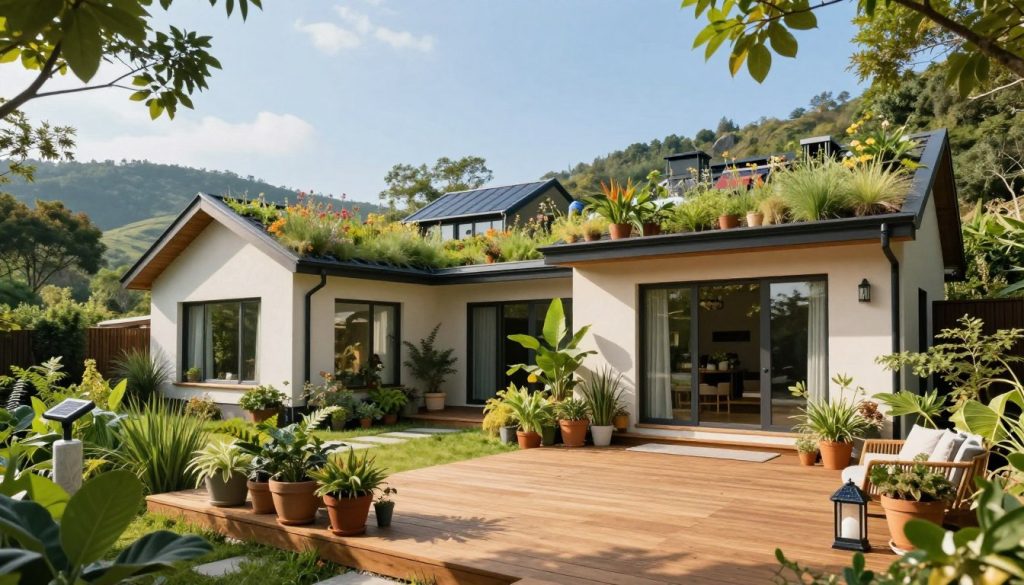
An eco-conscious lifestyle is the foundation for synchronizing with the natural world. By making conscious choices, we can create a living environment that not only supports our well-being but also honors the natural cycles of the earth.
Design Your Environment for Better Rhythms
Our surroundings play a significant role in influencing our natural rhythms. Simple changes such as maximizing natural light exposure, using plants to purify the air, and minimizing artificial light pollution can significantly enhance our circadian rhythms.
Tips for a Rhythm-Friendly Home:
- Use blackout curtains to control light exposure.
- Incorporate natural elements like wood and stone.
- Maintain a clutter-free space to reduce stress.
Biohacking Tools for Enhanced Nature Connection
Biohacking involves using technology and science to enhance our bodily functions and connection with nature. Tools like light therapy lamps, wearable devices that track circadian rhythms, and apps that monitor sleep patterns can be invaluable.
| Biohacking Tool | Purpose | Benefits |
|---|---|---|
| Light Therapy Lamps | Regulate circadian rhythms | Improves mood, energy levels |
| Wearable Devices | Track sleep, activity | Enhances self-awareness, optimizes daily routines |
| Sleep Tracking Apps | Monitor sleep patterns | Identifies areas for improvement in sleep quality |
Sustainable Living Practices That Honor Natural Cycles
Adopting sustainable living practices is crucial for minimizing our impact on the environment and living in harmony with natural cycles. This includes reducing waste, conserving water, and using renewable energy sources.
Simple Sustainable Practices:
- Reduce single-use plastics.
- Compost food waste.
- Use public transport or carpool.
Community and Social Rhythms
Being part of a community that values natural alignment can significantly enhance our ability to live in sync with nature. Participating in local environmental initiatives and engaging in community activities can foster a sense of belonging and support.
Ways to Engage with Your Community:
- Join local environmental groups.
- Participate in community gardening.
- Attend workshops on sustainable living.
6. Conclusion
As we’ve explored throughout this article, living in alignment with natural rhythms is crucial for achieving a balanced and harmonious life. By understanding and respecting our body’s internal clock and the world’s natural cycles, we can optimize our daily routines and overall well-being.
Embracing nature connection is key to this process. By being more aware of the world around us and tuning into its rhythms, we can make meaningful changes to our lifestyle. This includes adjusting our daily schedule to align with our chronotype, practicing seasonal living, and adopting eco-conscious habits.
As you begin your journey towards a more natural and harmonious lifestyle, remember that small steps can lead to significant changes. Start by making gradual adjustments to your daily routine and environment, and be patient with yourself as you navigate this process.
By living in alignment with natural rhythms, you’ll be better equipped to handle life’s challenges, improve your overall health, and cultivate a deeper connection with the natural world.